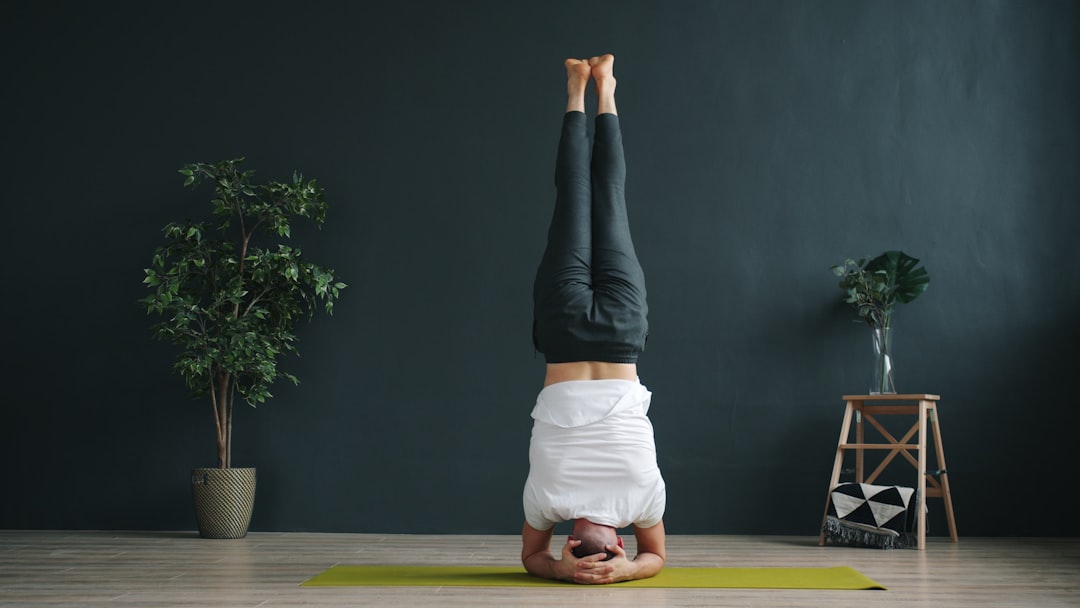
Hot Yoga for Hospitality Workers: A Recovery Routine for Long Shifts and Late Nights
A practical hot-yoga recovery guide for cooks, servers, and hotel staff who need relief after long shifts and late nights.
If you work in hospitality, your body doesn’t get the luxury of a clean start and stop. A server may spend hours on hard floors, a cook may twist, lift, and pivot through a dinner rush, and hotel staff may move nonstop between check-ins, housekeeping, luggage, and guest requests. That’s why hot yoga for hospitality workers can be so effective: when practiced intelligently, it becomes a compact recovery tool for late shift stress relief, standing all day recovery, and protecting the areas that take the most abuse—feet, calves, hips, and low back. If you’re looking for a recovery-first approach, pairing this guide with our articles on small habit wins and short check-ins for habit change can help you make the routine stick even after the busiest shifts.
This guide is built for cooks, servers, bartenders, housekeepers, and hotel staff who want a practical plan they can actually do after work. It focuses on post-shift yoga that supports lower back relief, foot and leg recovery, and calmer breathing after long hours on your feet. You’ll learn how to use heat safely, how to sequence a 10- to 20-minute routine, and when hot yoga is helpful versus when a cooler recovery day is the better choice. If budget and scheduling matter, the same mindset we use for getting more value from healthy meal prep and saving for busy weeks applies here too: consistency beats intensity.
Why hospitality work creates a very specific recovery problem
Long shifts stress the body in predictable ways
Hospitality jobs are physically demanding in a way that looks deceptively “light” from the outside. You may not be carrying gym-style weights, but you are loading the same tissues over and over: the arches of the feet, the calves, the hamstrings, the hip flexors, the upper back, and the lower back. That repeated standing, walking, crouching, reaching, and fast turning adds up quickly, especially in shoes that prioritize appearance or slip resistance over cushioning. For cooks, repetitive bending and reaching in confined spaces can create tightness through the front of the hips and the mid-back; for servers, carrying trays and twisting around tables can irritate the neck and shoulders; for hotel staff, lifting luggage or making beds can fatigue the low back and wrists.
This is where a smart recovery routine matters. You’re not trying to “fix” everything in one session. You’re trying to reduce the daily accumulation of stiffness and fatigue so tomorrow’s shift feels more manageable. A good sequence also helps the nervous system shift out of alert mode, which matters after a noisy, high-pressure, customer-facing night. For anyone balancing recovery with work constraints, the same practical lens used in simplifying a complex system applies: remove friction, keep the process short, and choose only what works.
Heat can help recovery, but it must be used strategically
Heat is often helpful for stiff muscles because it increases tissue temperature, makes movement feel smoother, and can reduce the sensation of tightness. That’s why hot yoga can feel especially satisfying after a cold commute home or a shift spent moving all day in a climate-controlled kitchen or hotel lobby. But heat is not magic, and it is not a substitute for hydration, nutrition, sleep, or medical care when pain is severe. In practice, hot yoga should be treated like a recovery amplifier, not a cure-all. If you’re exhausted, dehydrated, or dizzy, the best version of “recovery yoga” may be 8 minutes of breathing, gentle mobility, and an early bedtime.
Pro Tip: After a late shift, the goal is not to “go hard” in a hot room. The goal is to lower tension, restore range of motion, and leave your body feeling safer and more spacious than when you walked in.
The hospitality advantage: you already understand rhythm under pressure
Hospitality workers are usually excellent at pacing under pressure, even when they don’t realize it. You know how to handle surges, anticipate bottlenecks, and move efficiently when time is limited. The same mindset can be used for recovery. Instead of treating yoga like a perfect hour-long event, think of it like a service window: a short, reliable block that gets the essentials done. If you want to build consistency, the principles behind micro-features and micro-wins and frequent habit check-ins are directly useful here. Short routines work because they fit into real life.
What hot yoga can do for cooks, servers, and hotel staff
Lower-back relief and hip decompression
One of the first areas to respond well to a recovery sequence is the lower back. In hospitality, low back discomfort often comes from a mix of prolonged standing, forward folding, rotation, and protective bracing during busy periods. A hot yoga session that includes gentle hip openers, supported forward folds, and spinal decompression can reduce the “compressed” feeling many workers describe after a shift. The key is to move slowly enough that the muscles unwind rather than clamp down.
For cooks and line staff, this matters because repeated reaching into hot stations and rotating at the waist can build asymmetry over time. For servers, carrying weight on one side—especially trays, POS devices, or purses—can make the pelvis feel uneven. For hotel staff, lifting and making beds often creates a repetitive pattern of flexion and extension that can fatigue the lumbar area. If you’re trying to protect the spine, it helps to layer in movement education from stretching “device lifecycles” style thinking: keep the system functional longer by using it with care, not by overloading it.
Foot and leg recovery after standing all day
Feet are the foundation of hospitality work, and they are often ignored until pain shows up. Standing on hard floors can leave the arches fatigued, the calves tight, and the ankles stiff, which then changes how the knees, hips, and back absorb force. In yoga, the best foot and leg recovery work is usually not flashy. It includes calf stretches, ankle circles, supported squats, down dog pedal work, and simple poses that let the feet relax instead of gripping all the time. A few minutes of this can help reduce that heavy, wooden feeling that follows a long closing shift.
One practical example: a server who ends a 10-hour dinner rush with burning calves and tired ankles may think they need to “stretch harder.” In reality, they usually need gentler work, more hydration, and a few minutes with the legs elevated. A 12-minute sequence focused on the lower body can do more for recovery than a 45-minute aggressive class taken while already depleted. That kind of efficient, budget-conscious approach echoes the thinking in meal-kit value planning and busy-week savings strategies: use resources where they matter most.
Nervous system downshift after late-night overstimulation
Hospitality jobs keep your brain activated. You’re monitoring timing, reading people, solving problems, and switching tasks rapidly. That kind of mental load can leave you feeling keyed up even when your body is tired. A recovery-oriented hot yoga practice can support a parasympathetic shift through slow breathing, longer exhales, and repetitive movement patterns that feel predictable. This is especially useful after closing time, when your mind may still be replaying orders, complaints, deadlines, and last-minute changes.
That’s also why a short post-shift yoga routine should be designed to feel soothing, not stimulating. You do not need a peak-power flow right before bed. You need enough movement to release tension and enough calm to transition out of work mode. If you need help building a practical habit framework, the approach in reflex coaching is relevant: tiny, repeatable actions outperform grand plans that collapse under fatigue.
How to do hot yoga safely after a shift
Hydrate before you practice, not only during
Hydration is one of the biggest mistakes hospitality workers make around hot yoga. If you’ve spent hours on your feet, especially in a warm kitchen or fast-paced dining room, you may already be under-hydrated before you even roll out your mat. That makes heat feel harsher, recovery slower, and dizziness more likely. Aim to start hydrating earlier in the day and continue after your shift with water plus electrolytes if you sweat heavily or work in a hot environment. If you haven’t eaten enough, a small snack with some carbs and a bit of salt can also help stabilize energy before a session.
If you are prone to headaches, lightheadedness, or cramping, reduce the room heat or choose a non-heated routine on especially draining days. Safety matters more than the label on the class. For anyone navigating discomfort and wondering what’s worth investing in, the comparison mindset from insurance coverage decisions for topical treatments can be helpful: ask what actually helps, what’s accessible, and what is sustainable.
Choose intensity based on fatigue, not ego
A common mistake is assuming that because the body is tight, it needs a hard workout. In reality, post-shift muscles are often tired, not just shortened. That means you want to work at a lower intensity than on a fresh day. Keep transitions slow, hold poses with control, and avoid long balancing sequences if your legs are shaky after standing for hours. When the goal is recovery, your class should leave you feeling clearer and more open, not emptied out.
A useful rule: if your breathing becomes sharp, your balance worsens, or your face feels flushed beyond comfort, back off immediately. Hot yoga can be beneficial, but the recovery benefit comes from staying below the threshold where stress rises faster than release. That principle is similar to efficient operational design in other fields, like monitoring for safety or using heating intelligently: the best systems are the ones that adjust to conditions, not the ones that keep pushing blindly.
Know when to skip heat entirely
Sometimes the best recovery routine is not a hot class. If you have signs of dehydration, illness, dizziness, severe fatigue, or unresolved injury pain, skip the heat and do a short cool-down routine at home. That may include breathing, a supported child’s pose, gentle spinal rotations, legs-up-the-wall, and a five-minute calf and foot release. Cooks with shoulder strain, servers with knee irritation, and hotel staff with low-back flare-ups often benefit more from gentle mobility than from trying to power through a heated room. There is no prize for practicing through warning signs.
It’s also wise to be careful after unusually long shifts, double shifts, or nights with very little food or sleep. In those situations, the body needs restoration more than challenge. Good recovery respects the day you actually had, not the workout you wish you had in theory. For a similar “real world first” mindset, see our guide on performance apparel designed around real use and support tools that reduce daily friction.
A 15-minute post-shift recovery routine you can do after work
Minute 1-3: Arrival, water, and breath
Start with a pause, not a pose. Sit down, take a few slow sips of water, and spend one to two minutes breathing through the nose if possible. Lengthen the exhale so it is slightly longer than the inhale. This tells the nervous system that the shift is over and movement can become slower. If your feet are throbbing, simply elevate them on a chair or ottoman for a minute before you begin. That small reset can make the rest of the sequence feel much better.
Think of this first block as your transition from service mode to recovery mode. Just like a busy team benefits from a clean handoff, your body benefits from a clean shift change. Hospitality workers often go straight from work into chores, errands, or sleep prep, but those first few minutes are where you can prevent the day from “sticking” in the body.
Minute 4-8: Lower body release
Move into calf stretches, a gentle forward fold with bent knees, and a slow down dog pedal. Keep the knees soft. Hold each stretch long enough to feel the tissue respond, but not so long that it sharpens. Add ankle circles and toe spreads if your shoes were tight during the shift. If you have space, a supported lunge can open the hip flexors, which are often shortened by standing in one position and stepping repeatedly in the same direction.
A cook who has spent the night pivoting between stations may feel this section almost immediately in the front of the hips. A server may notice the calves and Achilles area soften after just a few breaths. A hotel employee who has been lifting and bending may feel the hamstrings and low back start to decompress. These are signs the sequence is working exactly as intended: not by exhausting you, but by restoring movement where work has narrowed it.
Minute 9-12: Spine and shoulders
Next, move to a gentle cat-cow, a supported twist, and a child’s pose with arms forward or alongside the body. If your shoulders are loaded from carrying trays, pushing carts, or making beds, keep the twist small and focus on expanding the back of the ribs. You can also interlace the fingers behind the back or rest them on the thighs while folding slightly, which helps the upper back expand without strain. Keep your face and jaw soft, because tension often hides there even after the obvious muscles relax.
This section is especially useful for server mobility and hotel staff wellness because the upper body often absorbs invisible workload throughout the shift. The goal is to create space along the spine so you leave feeling taller and less compressed. That’s the same kind of efficient support described in daily support toolkits: use simple tools that solve several problems at once.
Minute 13-15: Legs up the wall or supported rest
Finish with legs up the wall, calves on a chair, or a fully supported savasana. This is the most underrated recovery shape for hospitality workers because it reverses the standing pattern, quiets the nervous system, and helps the feet and lower legs drain some of the day’s load. Stay here long enough to notice your breathing slow. If you’re going straight to bed, let this be the last thing you do before showering or sleeping.
For some workers, especially those coming off a late-night close, this final rest is more valuable than the stretches themselves. If you only have time for one thing, choose legs elevated and slow breathing. Recovery is cumulative, and this small choice can change how your body feels the next morning.
Best yoga poses and modifications for hospitality recovery
For lower back relief
Supported child’s pose, knees-to-chest, cat-cow, and gentle supine twists are reliable options when the lower back feels compressed. Keep the emphasis on comfort and breath rather than depth. If your hamstrings are tight, bend the knees generously so the pelvis can tilt without strain. Lower back issues often improve when the hips and ribs are allowed to move more freely, so it helps to think of the whole trunk as one connected system, not a single sore spot.
A helpful metaphor comes from system planning: if one part of the structure is overloaded, the answer is not to force that part harder. It’s to distribute the load better. In practice, that means loosening the hips, lengthening the spine gently, and giving the back permission to stop bracing.
For foot and leg recovery
Use downward-facing dog with bent knees, low squat support, calf wall stretches, and toe release work. Standing all day often creates a chain reaction from the foot upward, so treating only the feet or only the back is incomplete. A short routine that includes both ankle mobility and hip opening can improve how the whole lower body feels. If you have swelling, elevate your feet after practice and avoid forcing deep stretches immediately on inflamed tissue.
Hospitality workers often ask whether they should stretch through soreness. If the discomfort feels like normal fatigue, gentle movement is often helpful. If it feels sharp, hot, unstable, or localized to a joint, back off and seek professional evaluation if needed. Consistency matters, but it should never override safety. That’s true in wellness the same way it is in any system that depends on reliability, from lifecycles and maintenance to staffing and operations.
For stress relief and sleep prep
Try a longer exhale breathing pattern, a supported forward fold, and a quiet savasana with minimal cueing or stimulation. The less decision-making you need after work, the more likely you are to actually recover. Some hospitality workers benefit from repeating the same 3-5 poses every night because it removes the mental effort of choosing. Simplicity is not a compromise; it is often the reason the habit survives the hardest weeks.
If you need help minimizing mental clutter, the same principle behind simplifying a stack applies here: choose a small set of reliable moves and use them repeatedly. Recovery routines should feel like a familiar closing checklist, not a performance test.
How often should hospitality workers practice?
Daily micro-routines beat occasional long sessions
For most hospitality workers, the ideal is not a marathon yoga schedule. It is a small routine most days, plus a longer session when time and energy allow. Even 10 minutes after a shift can meaningfully improve how your lower back, hips, and feet feel the next morning. If your workweek includes doubles or unpredictable closings, keep two versions of the routine: a full 15-20 minute version and a minimum 5-minute rescue version. That way, the habit survives reality.
This is where the discipline of short, repeatable systems matters. Much like micro-features or short coaching checks, the best recovery routine is the one you’ll actually do. A short practice done four or five nights a week is far more powerful than an ambitious routine that disappears after one hard weekend.
Match the routine to your shift pattern
After a heavy dinner service, choose slower, lower-intensity movement and emphasize downregulation. After a lighter shift, you may tolerate slightly more flow and mobility work. On days off, consider a fuller hot yoga class or a longer mobility session if you feel well hydrated and rested. This shift-based approach prevents you from treating every day the same when your workload clearly isn’t the same. The body recovers best when the plan matches the load.
That idea also fits practical decision-making in other areas of life, from affordability planning to building low-friction home support tools. Choose the version that works under pressure, not just in ideal conditions.
Track the signals that matter
Instead of obsessing over performance, track whether your feet feel less beat up, your low back is less reactive, your sleep settles faster, and your first steps in the morning feel easier. Those are the outcomes that matter for hospitality workers. A routine is working if you can handle your shift better, not just if you can complete a pose more deeply. Pay attention to these signals for two to three weeks before deciding whether to change the routine.
If your practice keeps making you more tired, more sore, or more dehydrated, scale back. Recovery should help you show up stronger to the next shift. When in doubt, reduce intensity and preserve consistency.
Gear, environment, and time-saving tips for busy workers
Use the right mat, towel, and layer strategy
A grippy mat, a sweat-absorbing towel, and easy-to-remove layers are the core essentials for hot yoga. Hospitality workers often head to class straight from work, so a smart setup matters. Keep a small bag ready with water, electrolytes, a change of clothes, and any foot care items you use regularly. The less you have to think after a shift, the more likely you are to go.
For readers who like practical purchase decisions, our approach to buying useful gear, choosing a storage-friendly bag, and avoiding overpacking can translate surprisingly well to yoga setup decisions: choose fewer items, but choose them well.
Make recovery easy to start
Set your mat out before work, keep a towel visible, and prefill your water bottle. These small cues reduce resistance when you get home exhausted. If you live with roommates or family, create a tiny corner for recovery so you don’t have to assemble a whole environment from scratch each night. This is the same logic as efficient project setup in any other field: the best routine is the one with the fewest barriers to entry.
There’s also value in booking classes ahead of time if you know the calendar will get chaotic. A reserved spot can turn good intentions into a real appointment. If you’re comparing options, use the same disciplined mindset you’d apply to subscription budgeting or value-based shopping: pay for what you’ll truly use.
Protect sleep by keeping the routine low stimulation
If your shift ends late, avoid turning recovery into another source of stimulation. Skip loud music, aggressive flows, and endless scrolling between poses. Keep lights low, breathe slowly, and move with purpose. This is especially important for workers whose brain is still in “service mode” after closing. The recovery sequence should signal bedtime, not start a second wind.
One practical template: shower, light snack if needed, 10-15 minutes of yoga, then bed. That sequence is simple enough to repeat on exhausted nights. And because it’s repeatable, it becomes part of your work-life hygiene rather than an optional extra.
When to choose a class, a home routine, or complete rest
Choose a class when you need accountability and guidance
Guided hot yoga classes are useful when your form gets sloppy, when you want structured pacing, or when you simply know you won’t do the routine alone. They can also be motivating on days off when your body is less depleted. If you’re new to practice, a reputable teacher can help you learn how to modify poses and avoid overdoing it. For workers who already spend all day giving energy to others, a class can feel like a container that safely holds your recovery.
If you’re comparing classes, think in terms of practical fit rather than aesthetic appeal. Is the schedule aligned with your shift? Are the instructors clear and safety-minded? Does the studio encourage water breaks and modifications? This is the same kind of filtering used in other consumer decisions, like choosing the right travel format or finding a reliable option instead of the flashiest one.
Choose home practice when time is tight
Home practice is usually best on nights when you are exhausted but still want a little recovery. It lets you control the temperature, the pace, and the length. You can focus on exactly what hurts: feet, calves, hips, or back. A home routine is especially valuable for hospitality workers because it removes commute time and gives you freedom to stop as soon as the body says enough.
For a night-shift worker, a home practice can be the difference between doing nothing and doing something useful. Even if the room is only warm rather than hot, you can still capture many of the benefits. Recovery is about the outcome, not the label on the session.
Choose rest when the body needs it most
Sometimes your strongest recovery move is complete rest. If you are sick, under-fueled, profoundly sleep deprived, or dealing with acute pain, sleep and hydration matter more than yoga. This is especially true after strings of late nights or double shifts, when cumulative fatigue can mask injury risk. Rest is not laziness; it is the body’s maintenance window.
In that sense, recovery planning works like any other smart system. The best operations, whether in monitoring and safety or heat management, succeed by responding to conditions, not by forcing a constant output. Your routine should do the same.
FAQs about hot yoga for hospitality workers
Is hot yoga safe after a late shift?
Yes, for many people it is safe if you are hydrated, not dizzy, and not dealing with illness or severe fatigue. The key is to keep the practice gentle and recovery-focused. If you feel depleted, choose a shorter session or reduce the heat.
What’s the best post-shift yoga if my feet hurt the most?
Try calf stretches, ankle circles, legs up the wall, and supported down dog with bent knees. These help reduce the pressure chain that starts in the feet and travels up the legs and back. If swelling is significant, prioritize elevation and rest.
Can cooks use hot yoga for lower back relief?
Yes. Cooks often benefit from gentle hip openers, supported forward folds, cat-cow, and short decompression sequences after shifts that involve twisting and bending. Avoid pushing into pain, especially if the back feels sharp rather than simply tight.
How long should a recovery routine be?
Ten to fifteen minutes is enough for most busy hospitality workers. On especially hard nights, even five minutes of breathing, legs up the wall, and calf work can make a difference. Consistency matters more than duration.
Should I do hot yoga every day?
Not necessarily. Many workers do best with short daily mobility work and a few hotter or longer sessions per week, depending on energy and hydration. On especially taxing shifts, a cooler home routine or complete rest may be smarter.
What if I feel worse after class?
That is a sign the session was too intense, too hot, too long, or done while under-hydrated. Scale back immediately, add more rest, and consider checking with a qualified health professional if symptoms persist. Recovery should leave you better, not more depleted.
Final take: make recovery as practical as your workday
The best hot yoga for hospitality workers routine is simple enough to do after the hardest shift and effective enough to make the next one easier. Focus on the body parts that take the most load—feet, calves, hips, low back, and shoulders—and use heat as a helper, not a challenge. For most cooks, servers, and hotel staff, a short sequence of breathing, lower-body mobility, spine release, and legs-up rest will deliver far more benefit than an ambitious practice that happens once in a while.
If you want to support your practice with smarter habits, look at how you organize the rest of your life: build small systems, reduce friction, and choose tools that actually fit your schedule. That mindset is reflected throughout our practical guides on micro-habits, habit check-ins, home support tools, and access and affordability. Recovery works the same way: keep it practical, keep it repeatable, and let it serve your real life.
Related Reading
- Simplify Your Shop’s Tech Stack: Lessons from a Bank’s DevOps Move - A useful framework for removing friction from your nightly recovery setup.
- Smart Home Integration: Enhancing Your Heating System with Technology - Smart temperature control ideas that mirror smart recovery pacing.
- Building a Home Support Toolkit: Affordable Devices and Accessories That Reduce Daily Friction - Low-cost tools that make recovery easier to start and sustain.
- Will Your Insurer Cover It? Navigating Access and Affordability for New Topical Treatments - A practical lens for evaluating what’s worth the spend.
- The Best Carry-On Bags for Frequent Flyers Who Hate Overpacking - Great inspiration for building a streamlined, ready-to-go yoga bag.
Related Topics
Maya Thompson
Senior Wellness Editor
Senior editor and content strategist. Writing about technology, design, and the future of digital media. Follow along for deep dives into the industry's moving parts.
Up Next
More stories handpicked for you

From Gear to Gatherings: Creating a Hot Yoga Collective

Sound Bath vs. Hot Yoga: Which One Helps You Recover Faster After a Demanding Work Week?

Staying Active When it Rains: Indoor Alternatives for Hot Yoga Warriors

Teaching Culture Through Movement: How Culinary and Travel Experiences Can Inspire Better Yoga Classes

Why Revenue Managers Need Recovery Too: Yoga for High-Pressure Hotel Teams
From Our Network
Trending stories across our publication group

Wellness Through Community: How Yoga Studios Can Borrow the Library Playbook

K-Beauty Meets Yoga: Best Skincare Essentials for Your Post-Class Routine

Yoga for Hospitality Workers: Recovery Routines for Late Shifts, Standing Hours, and Service Stress

Building Inner Resilience: Lessons from Unexpected Delays

Harnessing Nature's Cycles: Lessons for Your Yoga Practice from Agricultural Patterns